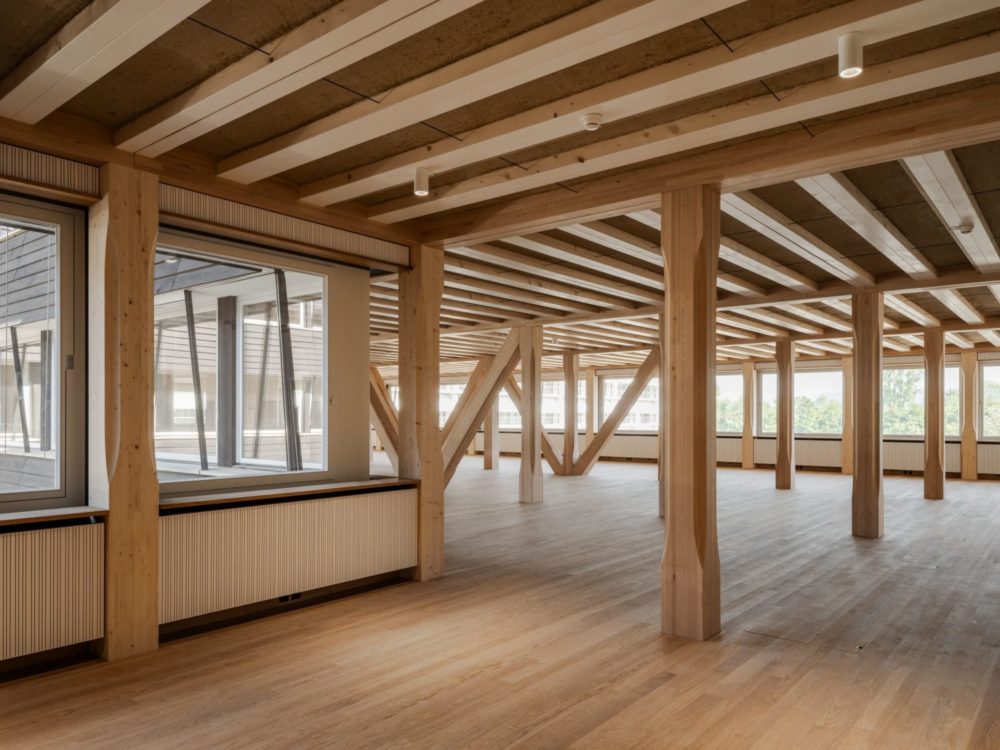
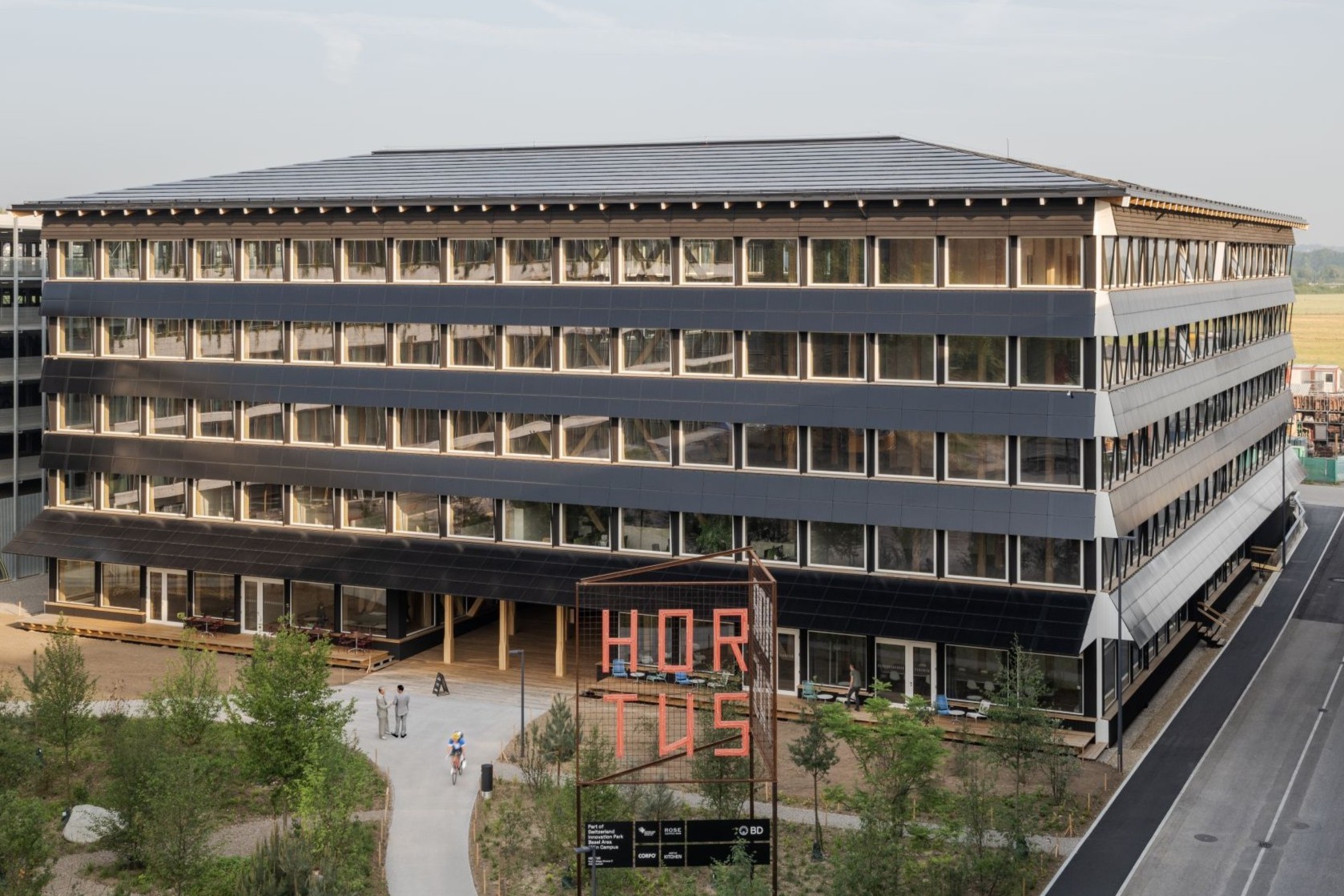
Hortus is an energy-positive office building in Basel designed by Herzog & de Meuron as a fully integrated system combining architecture, materials, and energy strategies. The project is based on a compact timber structure with low embodied carbon and a holistic design approach aimed at minimizing lifecycle impacts. Photovoltaic systems are deployed across the building, combining a large rooftop installation with additional integration along the parapets, enabling on-site renewable energy production that exceeds operational demand. In this sense, Hortus can be described as regenerative, as it generates a surplus of energy and offsets its embodied energy over time.
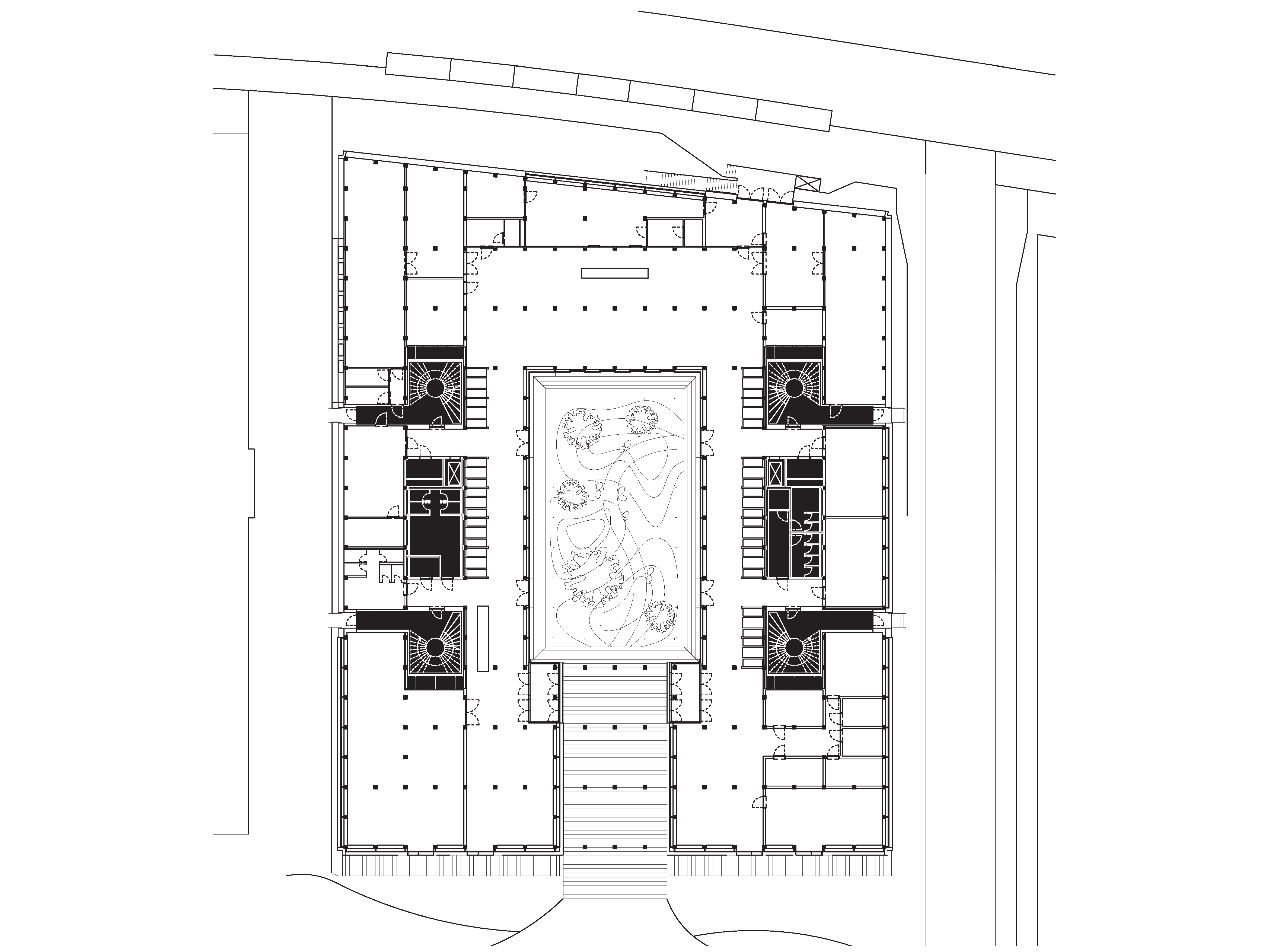
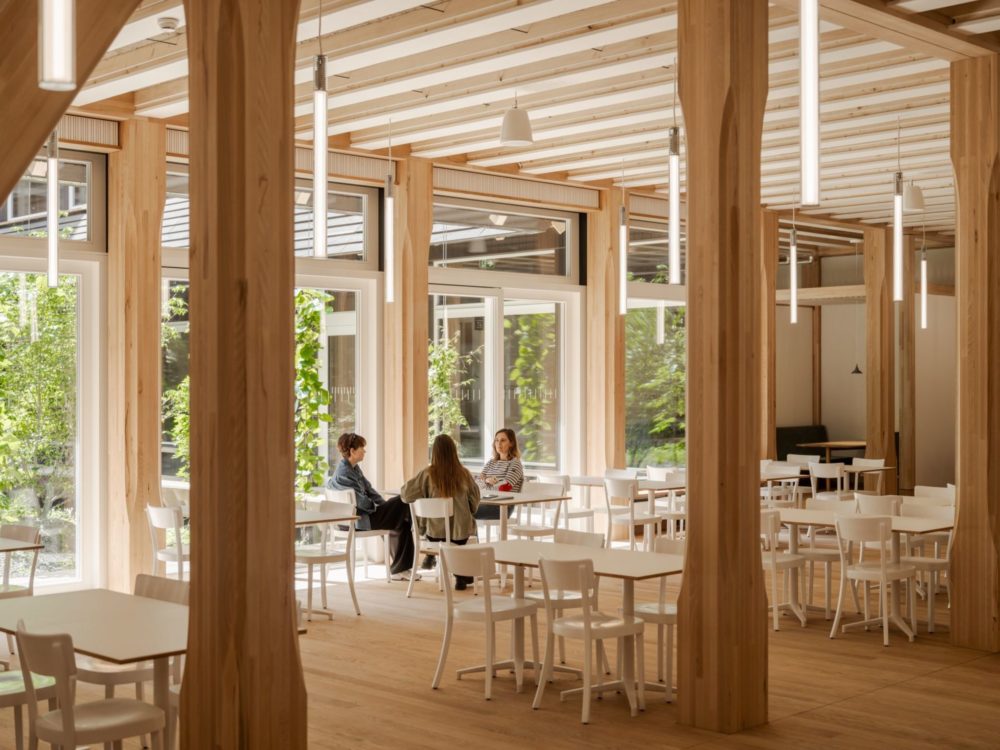
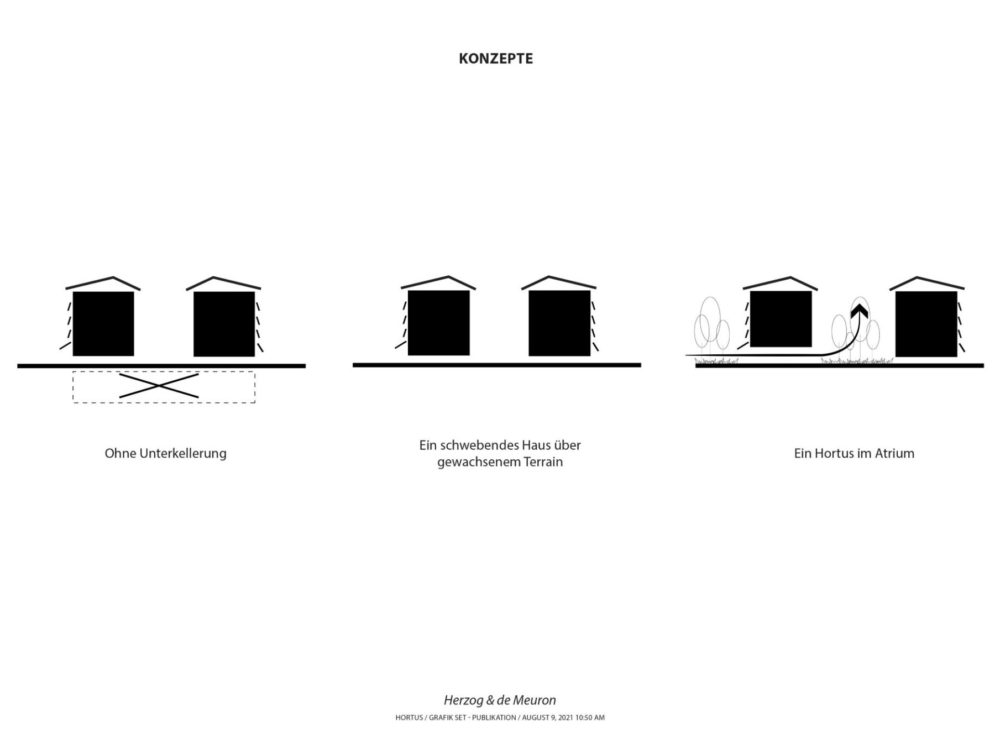
The compact building is arranged around a central atrium, an inner courtyard with a garden that leads to the common areas on the ground floor.
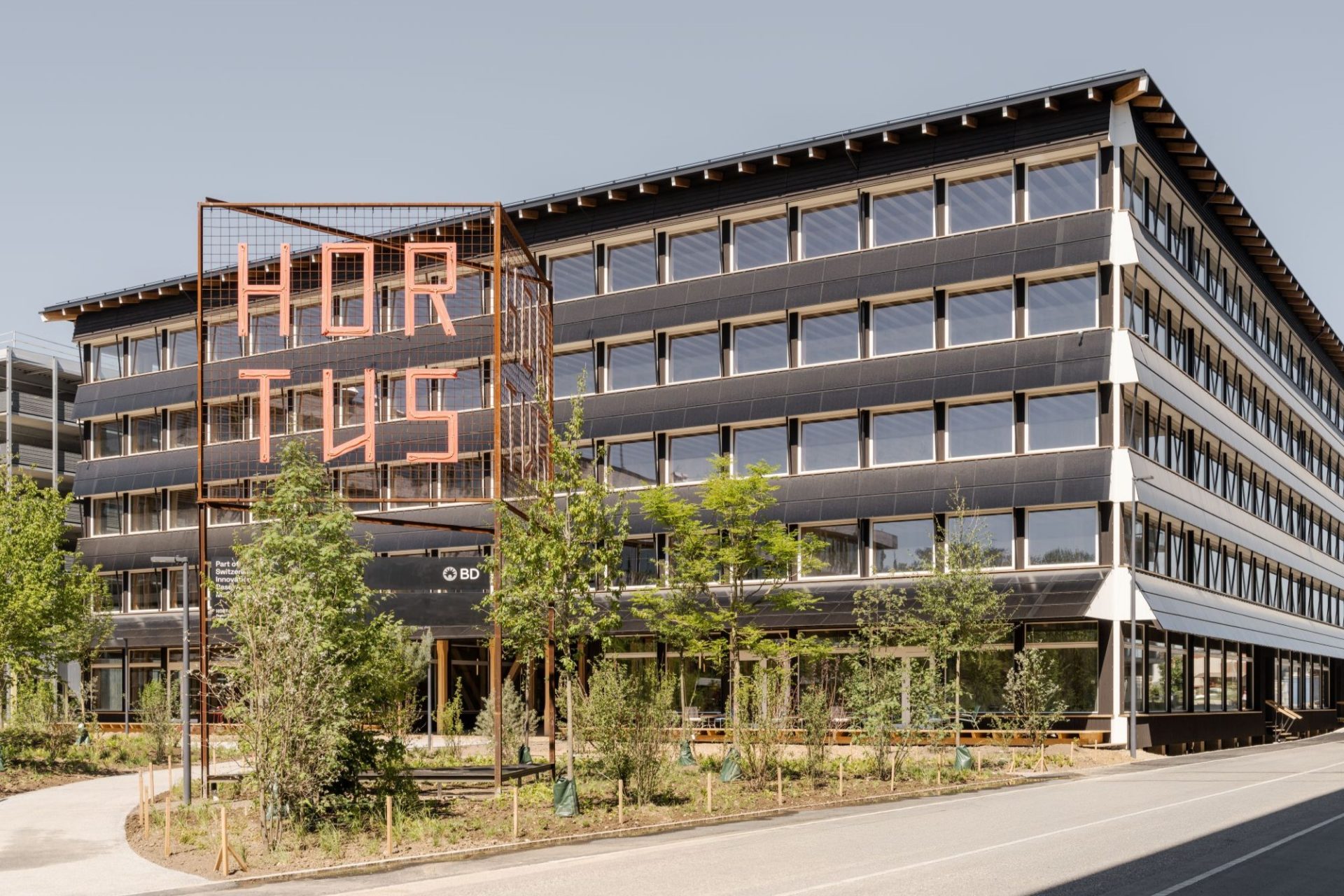
Rather than relying on an expressive facade-based BIPV approach, Hortus integrates photovoltaic systems across the building, combining a large rooftop installation with additional integration along the parapets as part of a broader systemic energy concept.
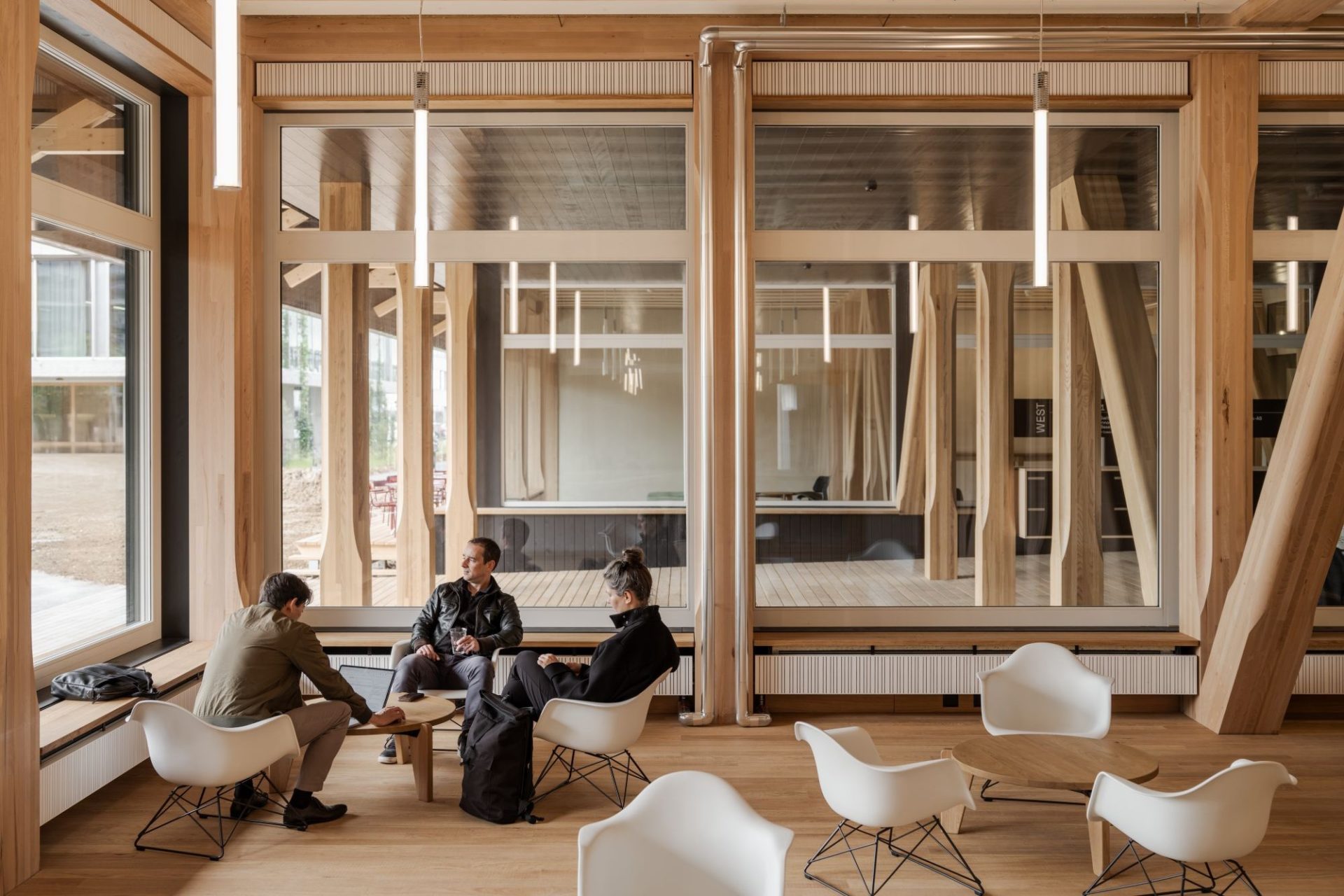
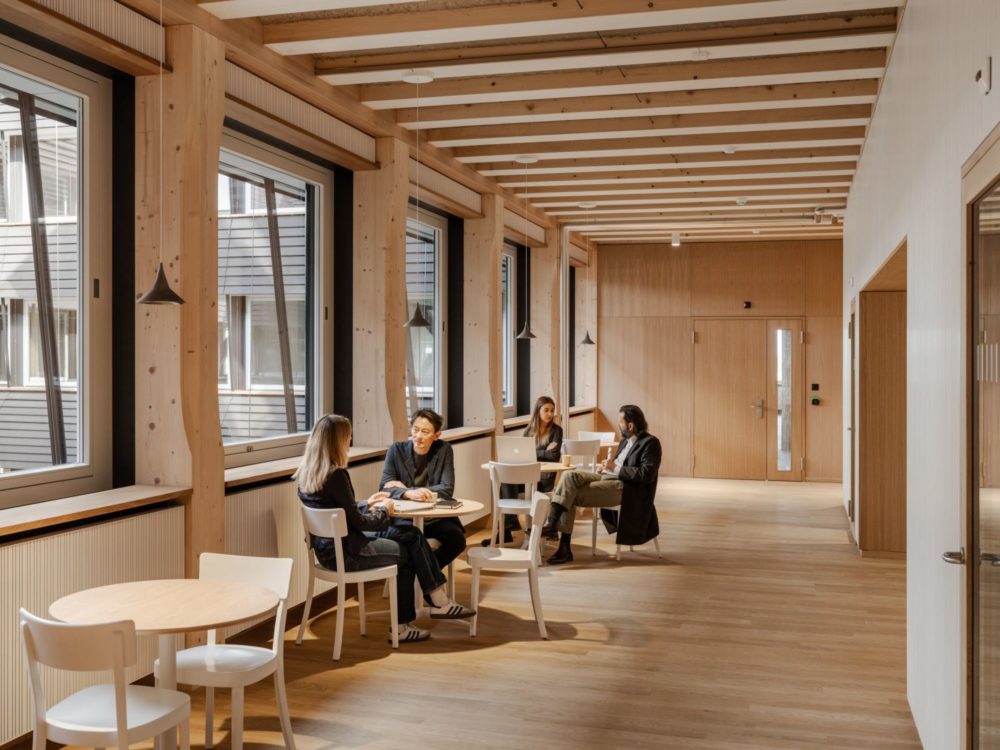
Interior view highlighting the exposed timber structure and flexible shared spaces supporting interaction and collaborative work.
 |
 |
|
| Active solar surface | 5.000 m² (roof + parapets) | – |
| Active solar surface ratio | – | – |
| Nominal power | not disclosed (approx. 1 MWp estimated based on available PV surface) | – |
| Building skin application | Rooftop PV is applied (BAPV), complemented by integration along the parapets | – |
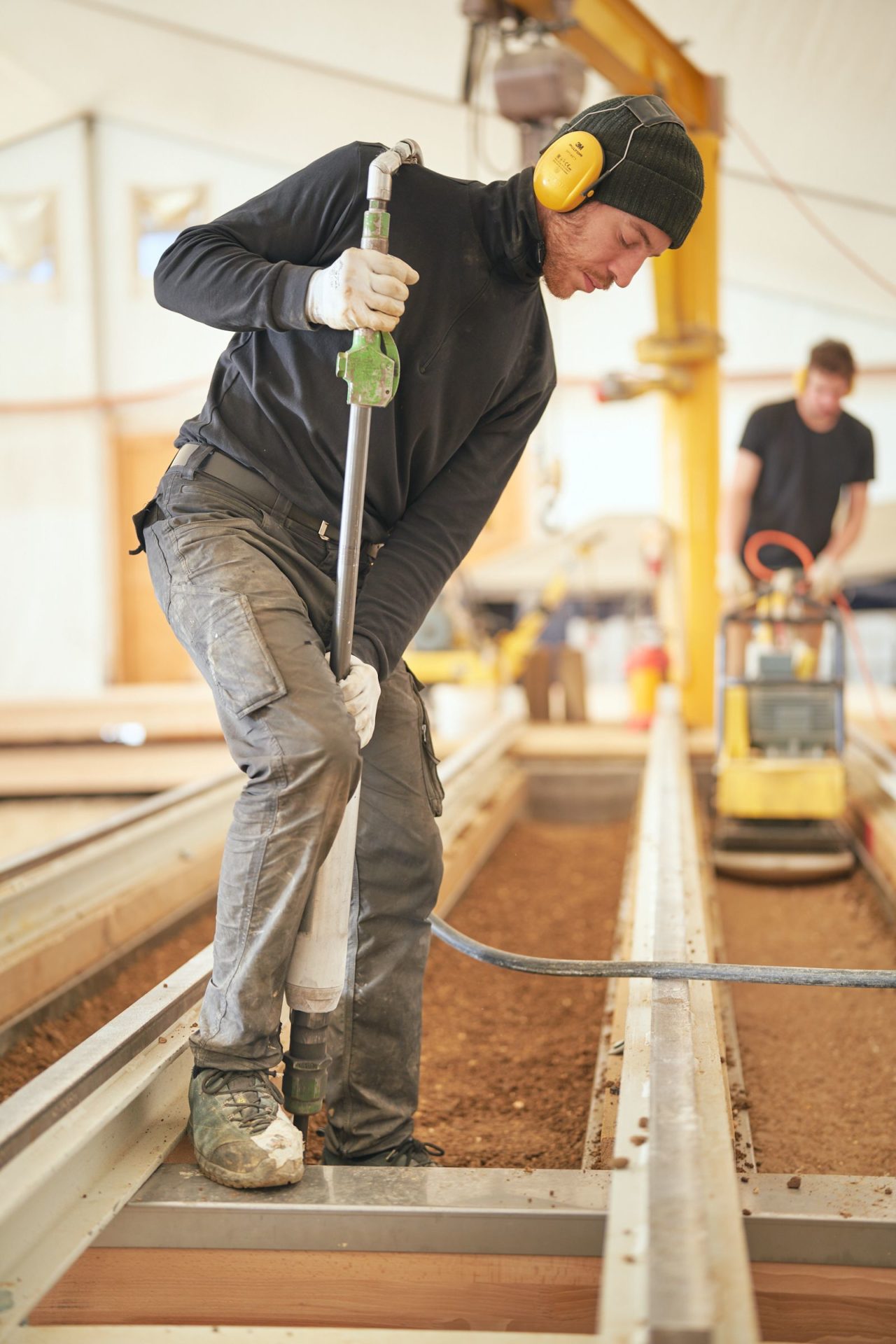
On-site compaction of clay within prefabricated timber modules, forming the hybrid timber–clay floor system developed for the project. The compressed earth layer provides thermal mass and fire resistance while reducing embodied carbon.
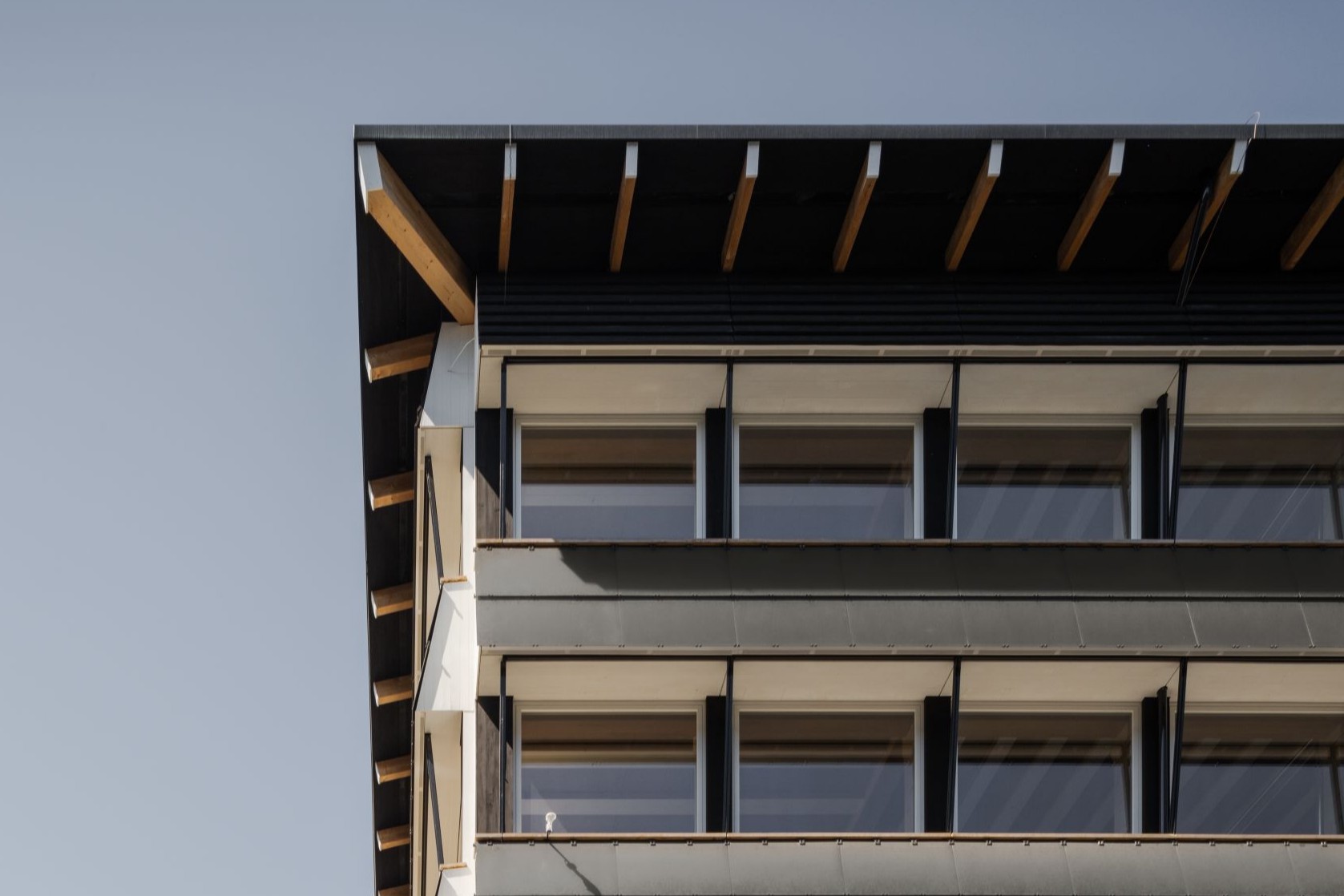
The building envelope of Hortus is conceived as a modular and material-efficient system integrated within the overall timber structure. A regular structural grid defines the facade rhythm, combining repetitive window elements with a layered construction based on timber, cellulose insulation, and natural finishes. This approach ensures high thermal performance while maintaining a reduced palette of renewable materials.
The facade system is designed as a non-expressive yet highly coordinated assembly, where structure, openings, and shading are aligned within a consistent architectural logic. Photovoltaic elements are selectively integrated along the parapets, while the main energy production is located on the roof, resulting in a distributed but non-dominant solar strategy.
The envelope and structural system are developed according to circular design principles, with dry connections and timber joinery enabling disassembly and reuse. All components are conceived as part of a reversible construction system, supporting long-term material cycles and adaptability.
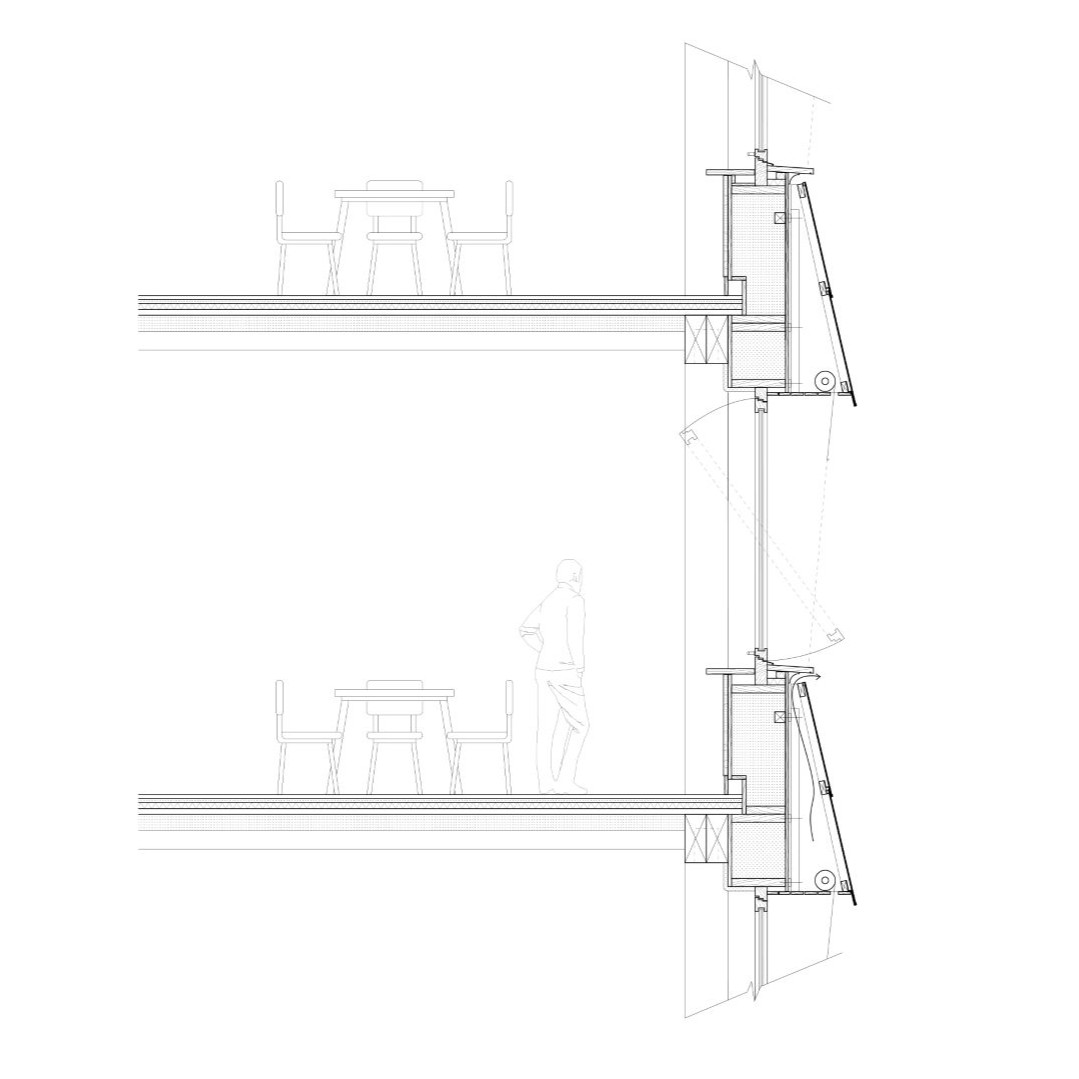
Facade detail section illustrating the layered envelope system, including timber structure, window integration, and photovoltaic elements integrated along the parapet.
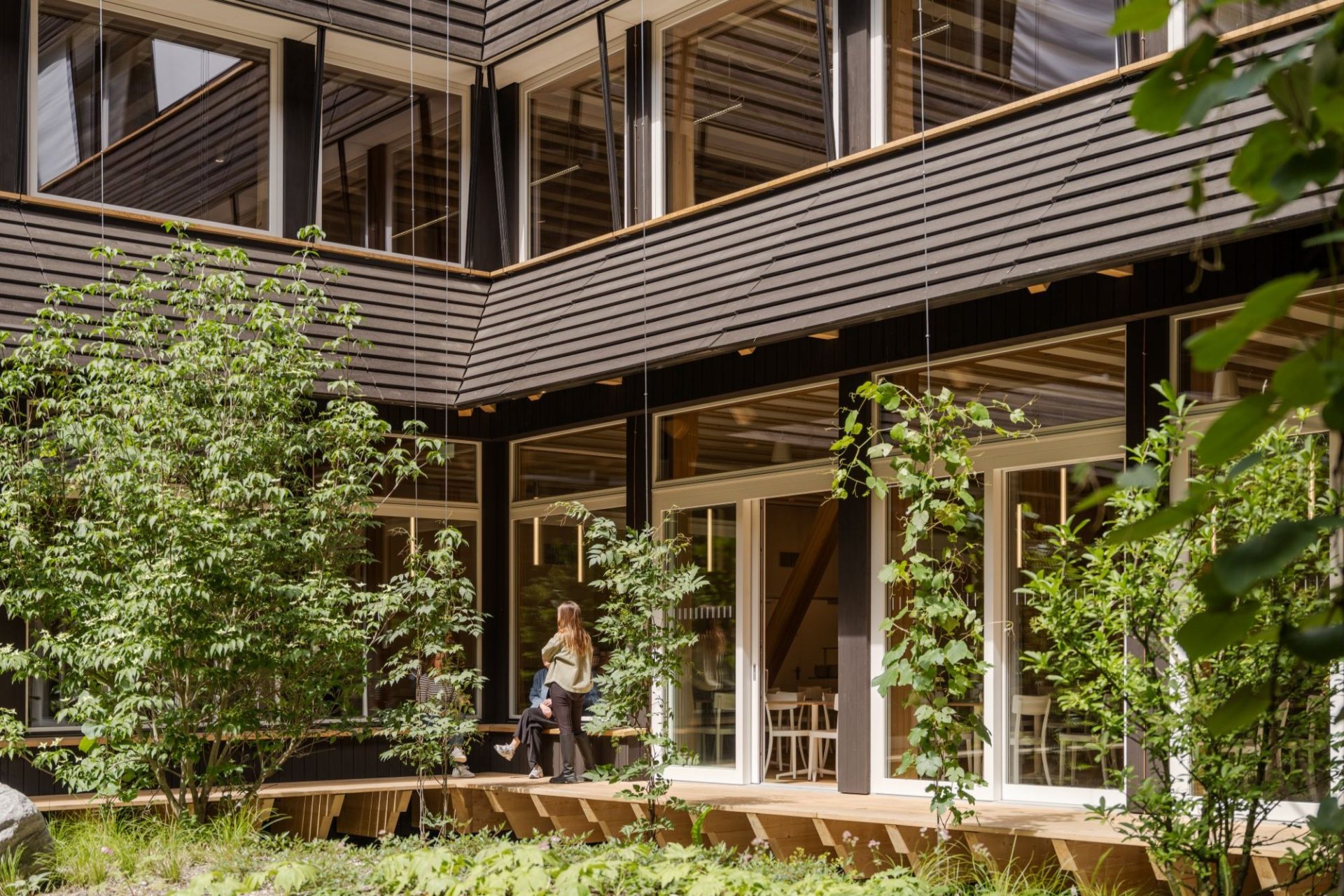
View of the inner courtyard, where the building’s timber structure, planted atrium, and shared spaces support a regenerative and people-centered working environment.
CREDITS
Photo © Maris Mezulis | Drawings © Herzog & de Meuron